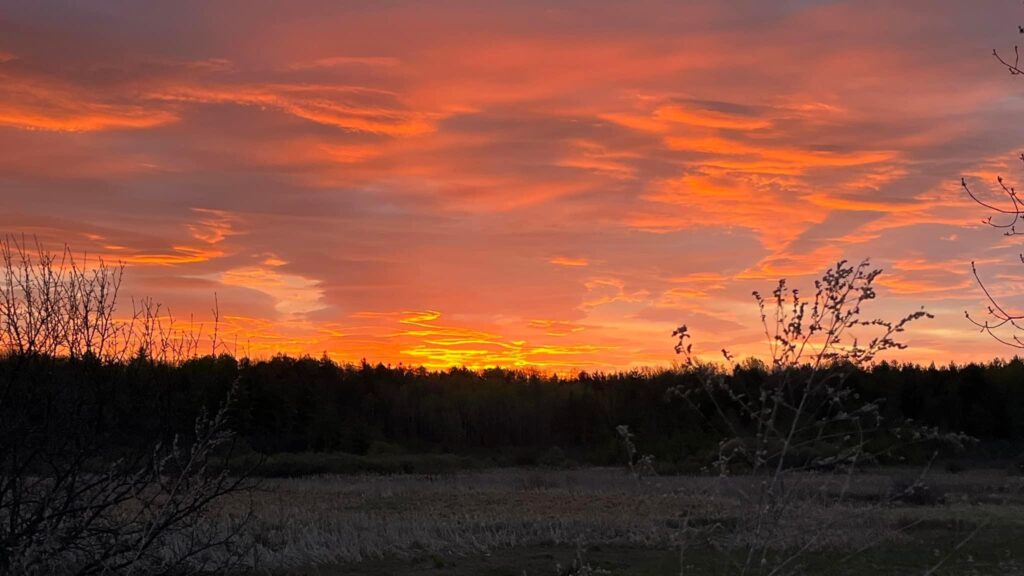
The South Village Preserve is one of our greatest assets, totaling 113 acres of open space. Bordered to the west by North and South Jefferson, to the south by Midland Avenue, to the north by the Long property, and to the east by Dorset Farms, the Preserve is our collective backyard treasure.
What were the lands used for before they became the Preserve?
South Village was open agricultural land until the 1960s. When the land was no longer farmed, parts of the land then developed into forest, while others remained meadows or wetlands. The woodlands rose out of degraded agricultural soil and were soon overwhelmed by non-native invasive plants and garden variety European earthworms devouring organic matter. The trees grew at the same rate and created a dense canopy which shaded out any attempts of native regeneration of the understory and herbaceous layers. Canopy trees are native, with little species diversity. The demise of the ash trees by the emerald ash borer continued to further reduce diversity. The forest became weak. Years later the land was sold for development, and the role of the Stewardship Board in restoring the Preserve came into focus.
Why do we care about restoring the Preserve?
We care about restoring the Preserve for recreational, legal, and ecological reasons. The Preserve is a beautiful space that is accessible to all, right in the heart of South Burlington. In addition, restoring the Preserve is a condition of the Act 250 permit for the development of South Village. Also, the Preserve is linked to a network of other conserved land which encompasses the Great Swamp, one of the City’s most valuable ecosystems. And finally, we care about restoring the Preserve because open lands become ever more precious as development and climate change threaten their very existence.
What is the Stewardship Board doing to restore the Preserve?
In 2019 the Stewardship Board, funded by the Stewardship Fund, began a multi-year collaboration with Bob Hyams, a conservation ecologist and the owner of Riverscape Ecology. Our goal was to assist in the creation of a healthy ecosystem that could support native wildlife, including animals, birds, and plants. The first phase was to reduce the prevalence of non-native invasive plants which could survive in the ecologically impoverished environment. The second phase was to plant native species of sedges, shrubs, and trees which could not regenerate on their own. As these plantings needed sunlight to survive and thrive, trees were cut to provide an opening in the canopy.
What are the outcomes of habitat restoration work in the Preserve?
One may be surprised the result of work in the Preserve can look somewhat chaotic–just as nature intended. The forest floor is strewn with cut trees, left to decay in place, because a dead tree can be just as useful as a live one as it provides increased food and shelter to wildlife and nutrients to the soil. Over time these trees will decay with the help of moisture and fungi, feeding beneficial insects which are essential food for nesting birds.
How are we managing the Preserve for climate change?
To plan for the future, we have chosen native plants from somewhat southern sections of our growing zone to nudge the forest into faster resilience to climate change. This supports the forest as it grows to be more abundant and diverse, while ensuring a greater chance of survival in a changing world.
What are the other features of the Preserve?
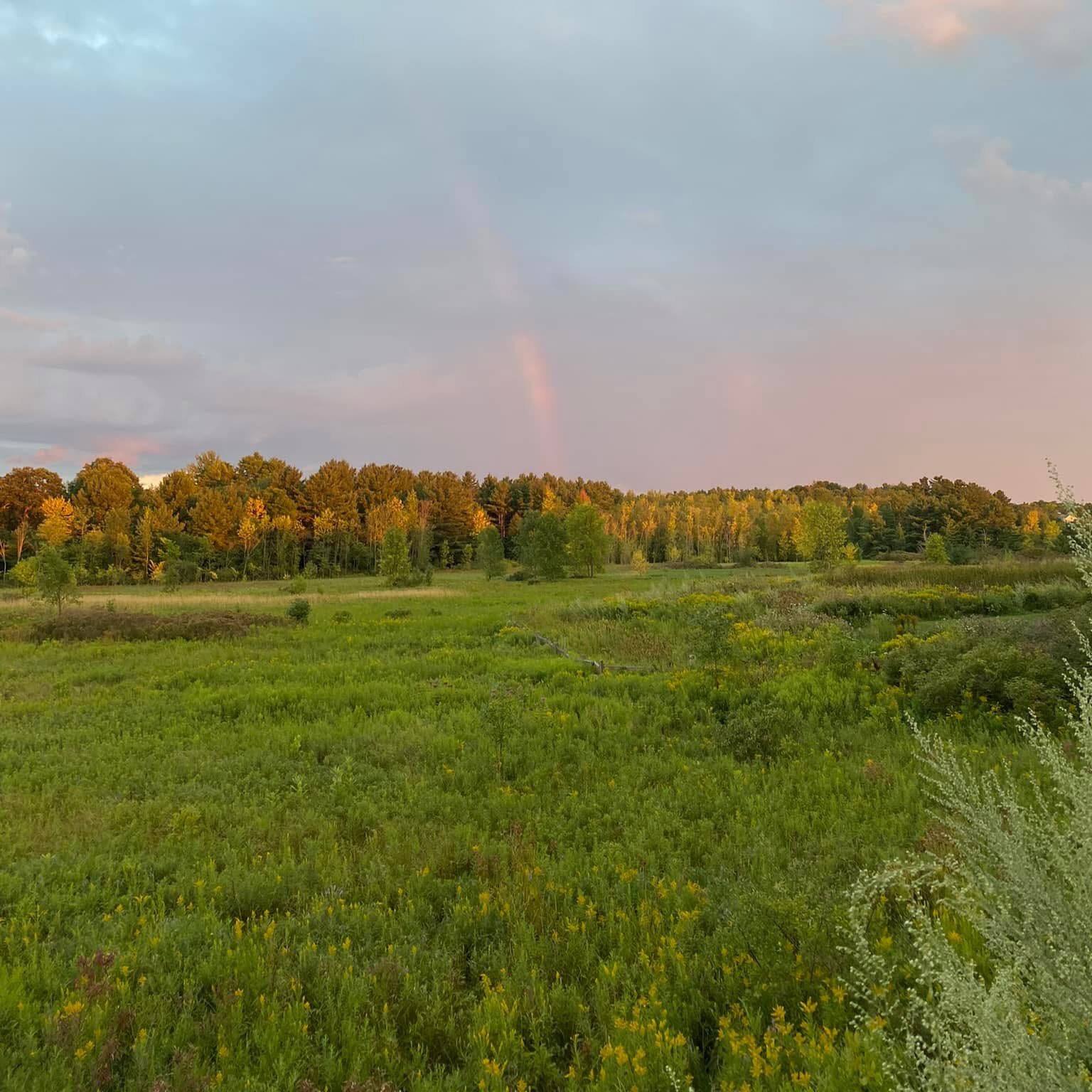
The Preserve also includes ponds, wetlands, and meadows, all teeming with wildlife. Red-winged blackbirds, bitterns, snipes, woodcocks, geese, and tree swallows call the Preserve home in warmer months, and Audubon Vermont has identified several acres as special for the golden winged warbler. If you’re fortunate, you may spot a deer, fox, or even a bashful black bear. A beaver family has increased the size of the wetlands, to the benefit of migrating birds and current residents of the Preserve. In spring and into the summer, tree frogs, crickets, peepers, and other amphibians make their presence known.
Sounds from the Preserve
How can I experience the Preserve?
Trails wind through the Preserve [URL to trail map TBD], linking to Dorset Farm to the South, and Hubbard Natural Area to the north. The South Village section has been blazed and marked with signs to help adventurers learn more about the rules and privileges of conserved land. The trails generally skirt the more sensitive areas of the Preserve, and may occasionally be closed temporarily when foot traffic threatens nesting sites or the condition of the trails.
The Preserve is a valuable asset to South Village and to the larger ecosystem. Enjoy the lands for walking, skiing, learning, or contemplation right outside your door, and celebrate the natural abundance of South Village!
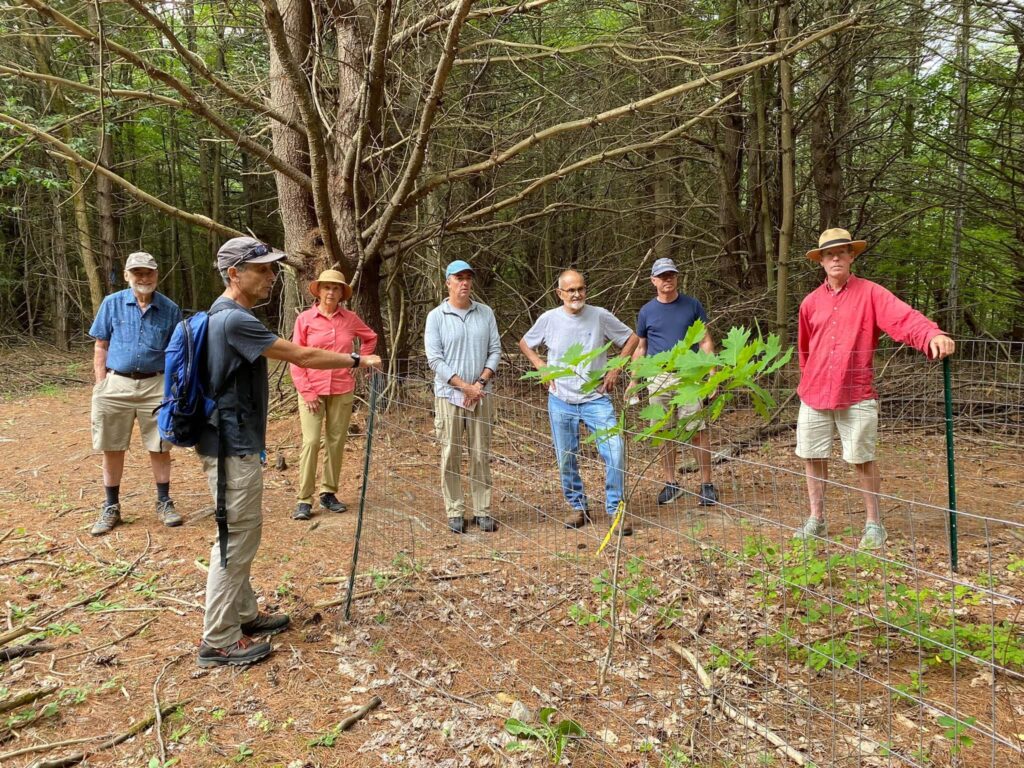
Would you like to volunteer to help steward the Preserve?
There are opportunities to join your neighbors in helping take care of the Preserve.
- Volunteer for an occasional trail work party in warmer months
- Join the Preserve Committee to help make decisions about restoration work, events, trail plans, and more
Contact Susan Darnell, Preserve Committee Member.
Learn more
To read more about managing a forest for the future, see How To Love a Forest: The Bittersweet Work of Tending a Changing World, by consultant and former County Forester, Ethan Tapper.